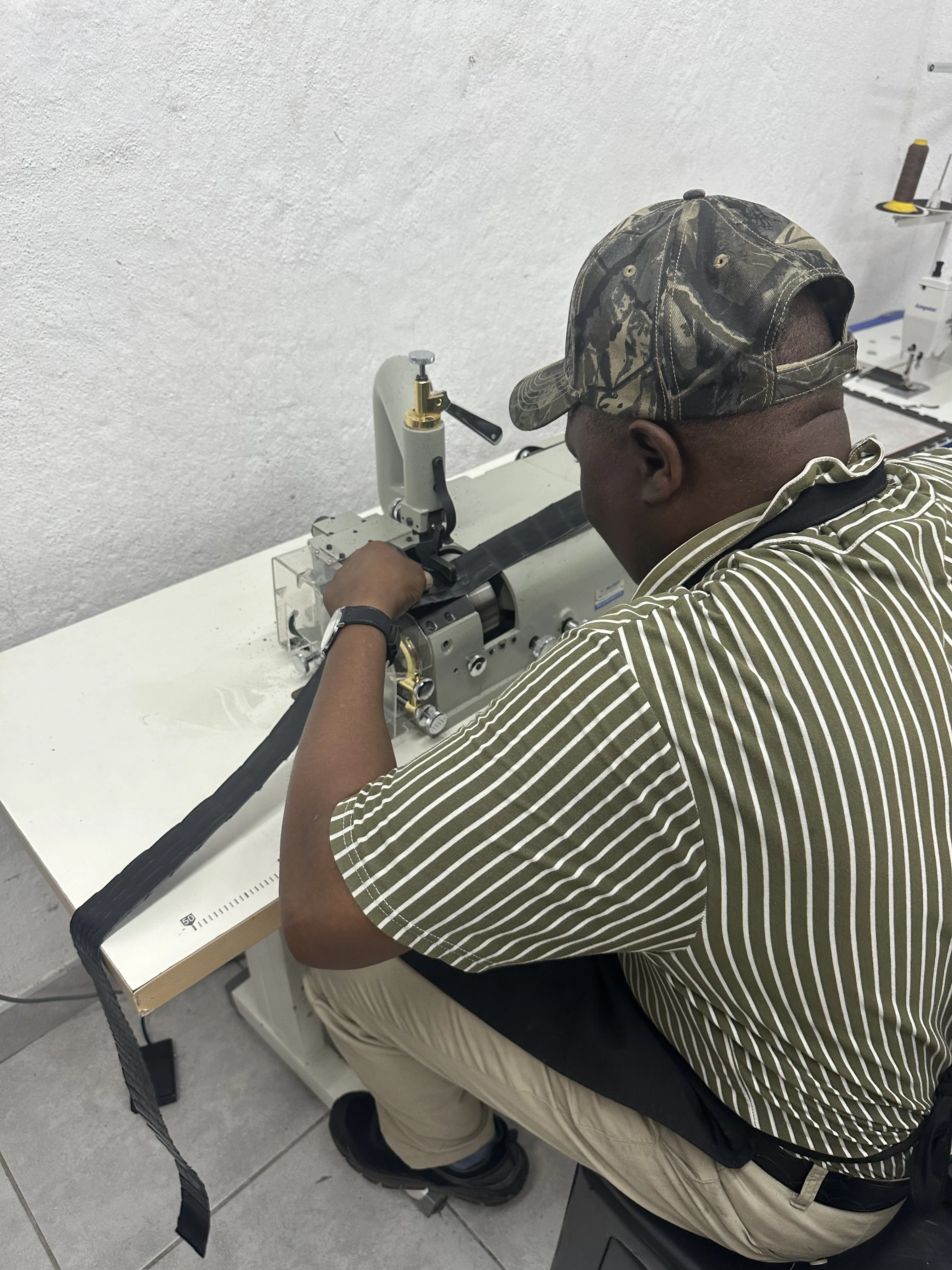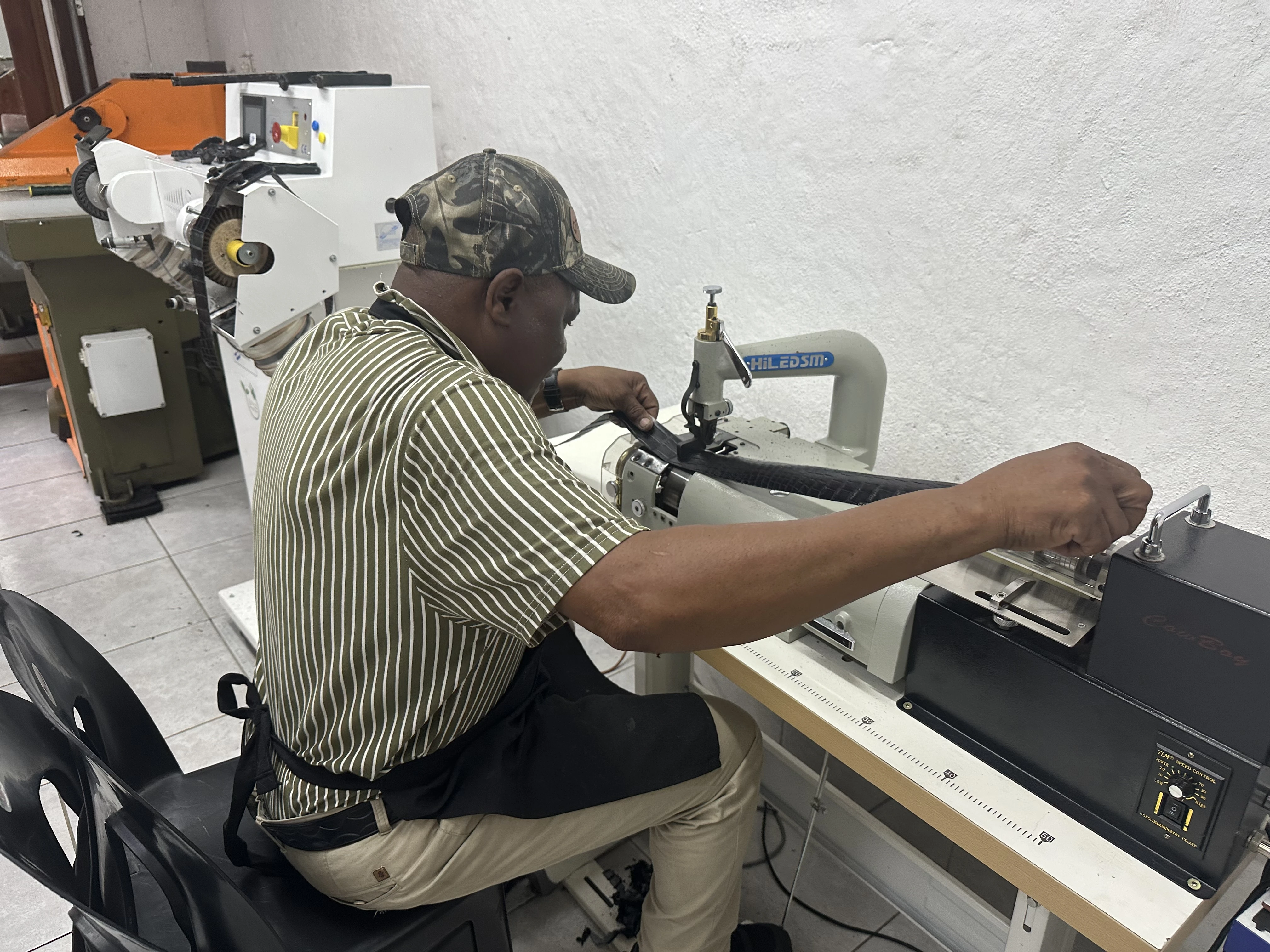
A craftsperson works a strip of crocodile leather at a machine in the Seronera atelier

The Craft

One skin. One pattern. One piece.

Follow the skin from a living crocodile to the workshop. At each stop, see the choice that shapes the piece you carry.

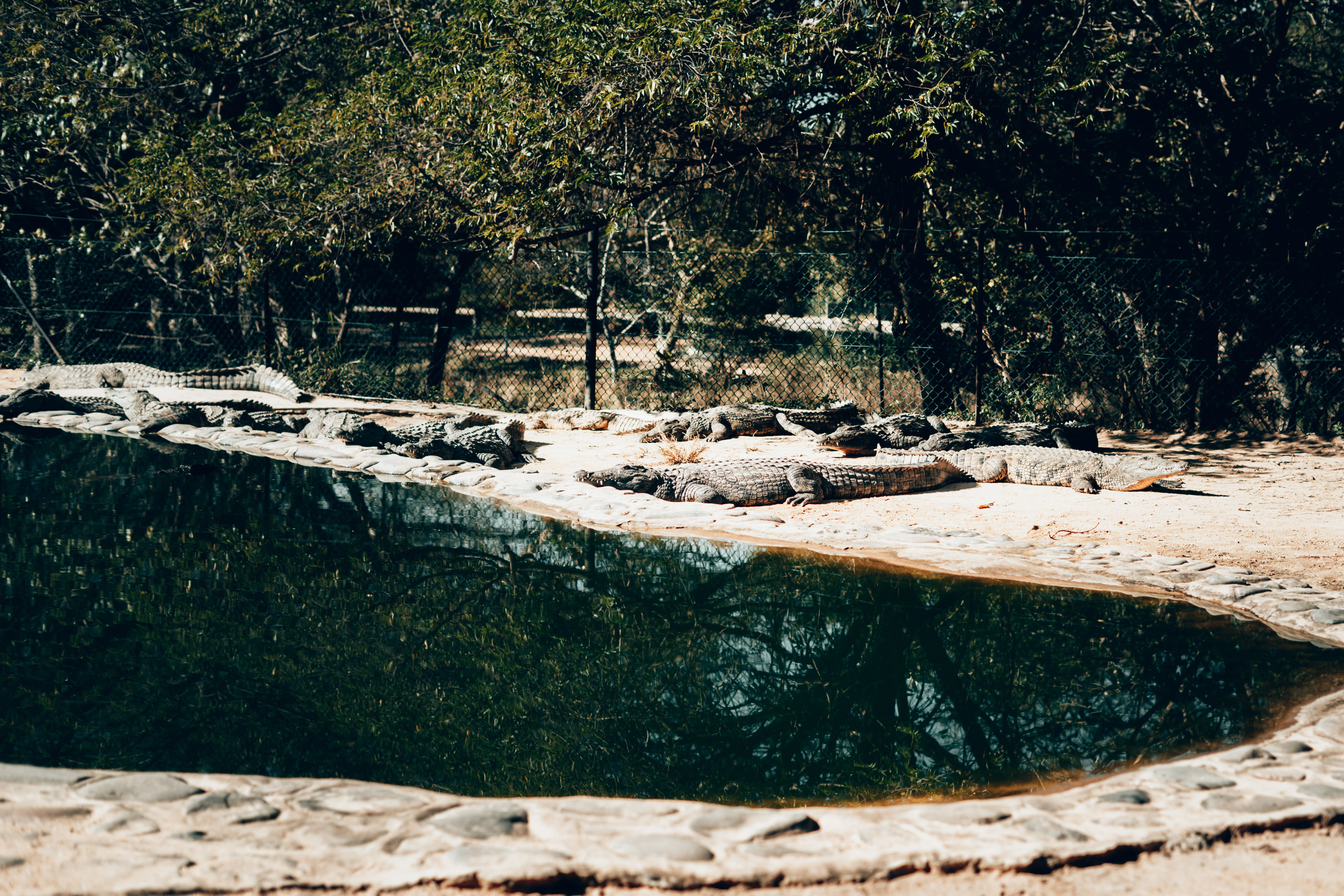
Nile crocodiles resting on the sand beside a pool at Seronera

Crocodiles beside a pool at the farm in Hazyview.

01 · How the animals are kept

The animal comes before the material

Before there is leather, there is a living crocodile. Since 2022, the farm has changed how it gives breeding animals space, groups growing crocodiles and looks after water.

  • Space around a nest Nesting poles give breeding females more separation in shared enclosures.
  • A fairer chance to feed Size grading groups growing crocodiles more carefully so smaller animals can reach feed.
  • Water watched over time Water testing and dam cleaning keep care in view beyond any one visit.
EXPLORE THE SUBJECTEthical Farming

Next in this story: inspect the skin and its pattern.
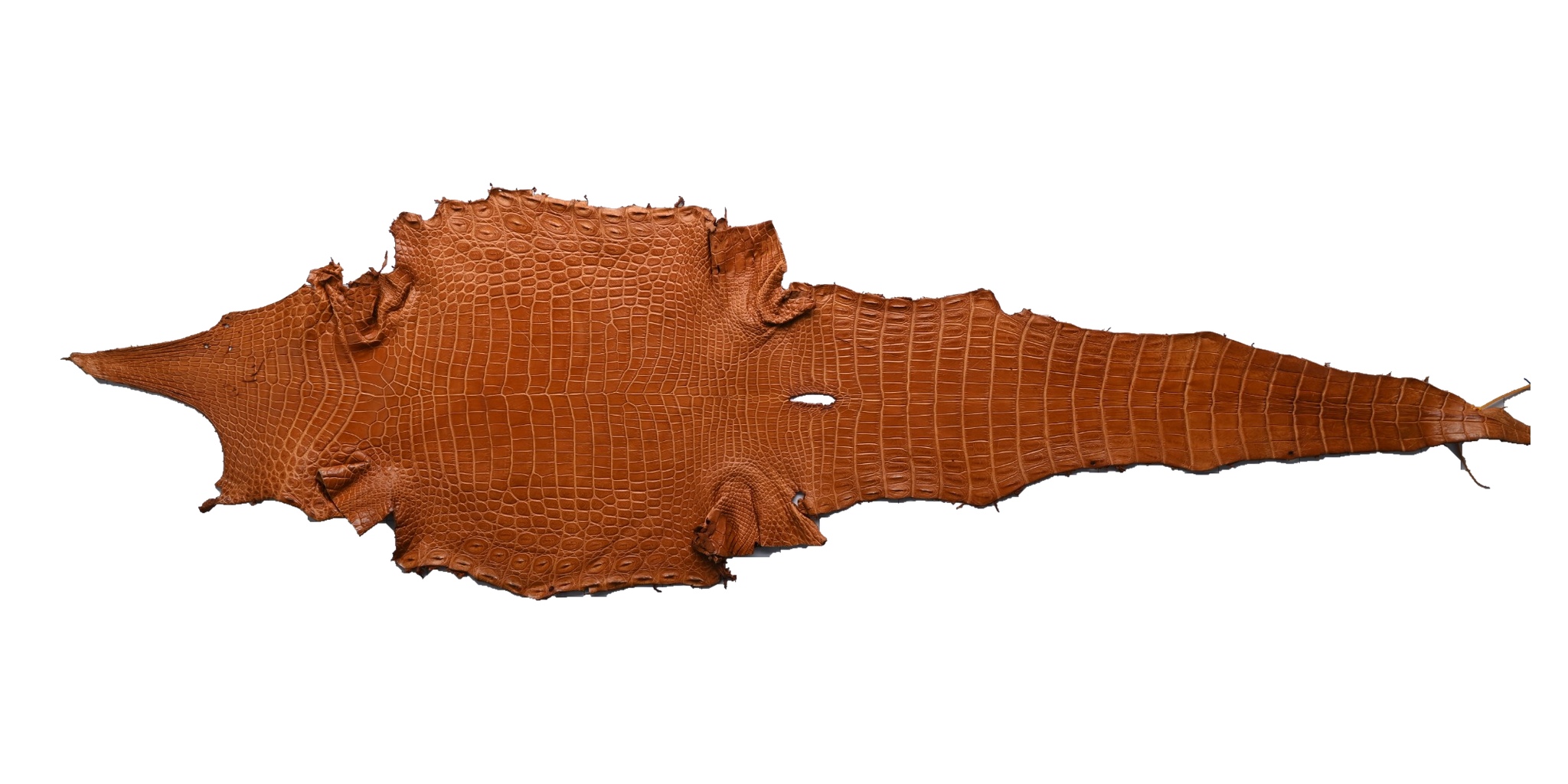
One full cognac crocodile skin photographed flat, head to the left and tail to the right, with every scale visible

02 · The skin

The pattern was already there

Move across one photographed skin. Its central rows, edges and tail each suggest a different place in the finished form.

  1. 01 · Whole skin

    One skin, head to tail

    Take in the whole surface first. Its widest field and narrowing tail set the possibilities for the cut.

  2. 02 · Central scales

    Rows, each with its own outline

    The central rows have an even rhythm, but every scale keeps its own outline and sheen.

  3. 03 · Edge

    Where the skin ends

    The scales become rounder at the edge. A maker can keep that change visible or turn it into a quieter detail.

  4. 04 · Tail

    Narrowing into bands

    The tail draws the rows into tighter bands. The same skin gives a very different texture here.

Four surfaces. Four different decisions.

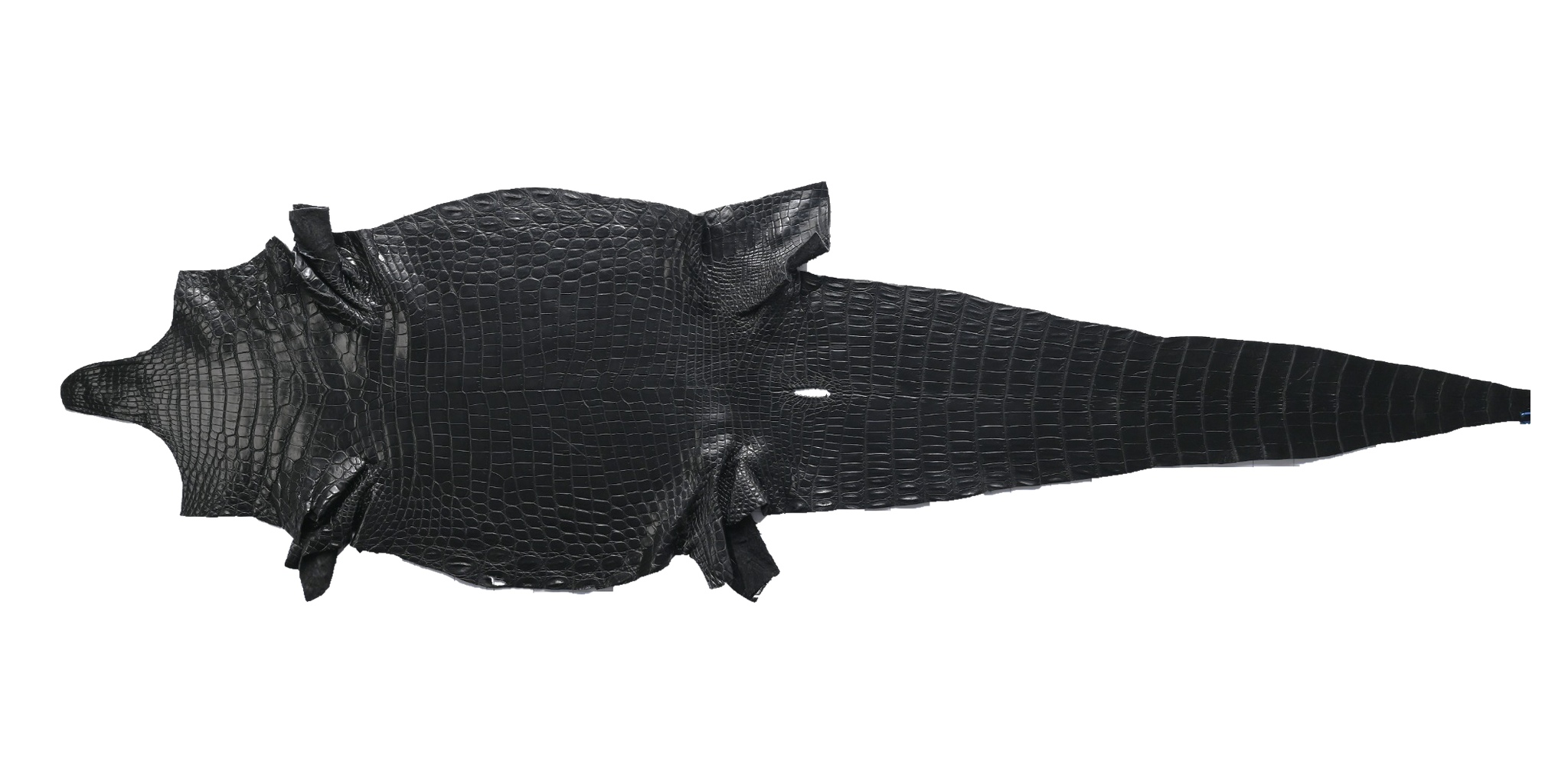
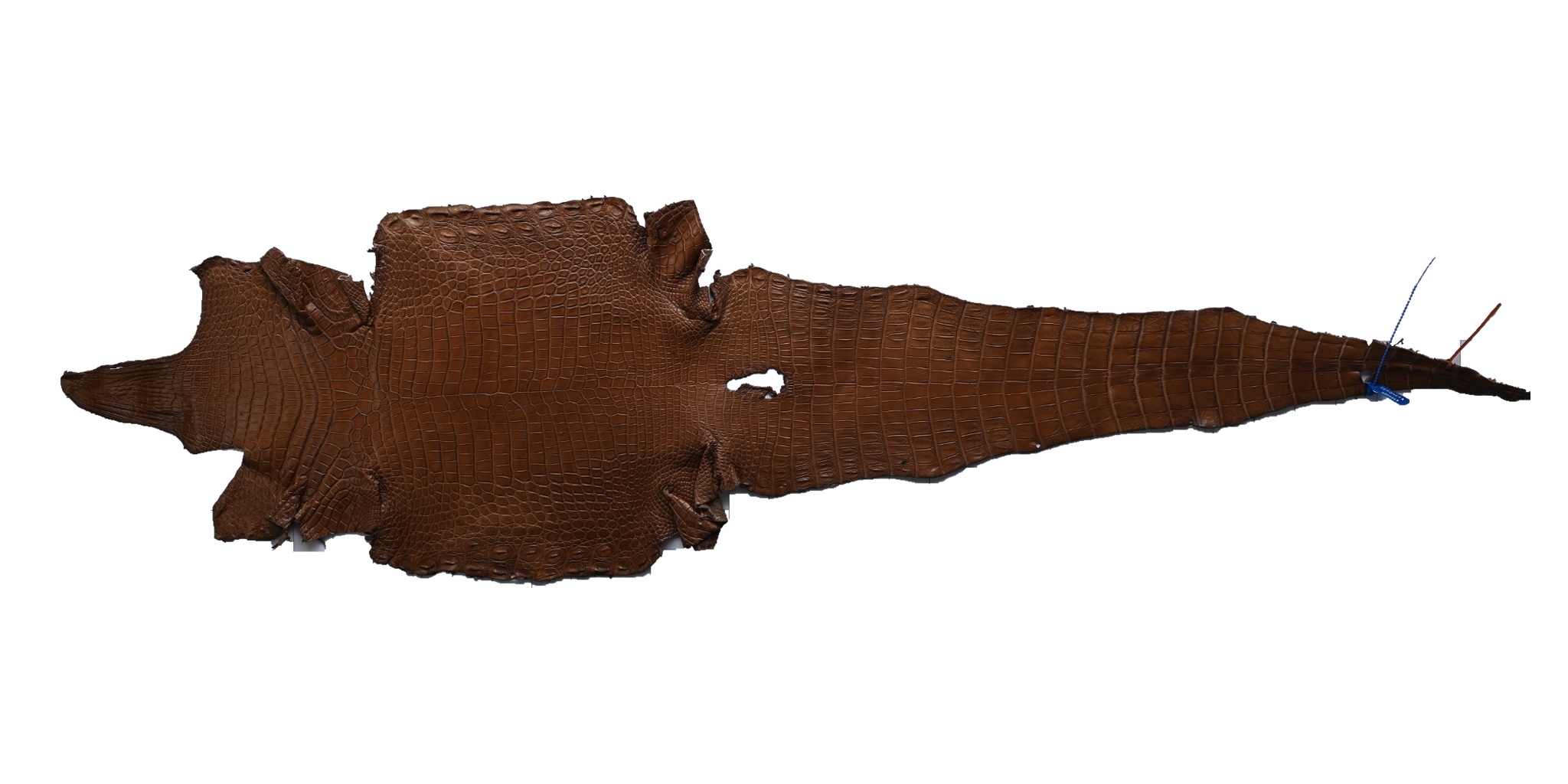
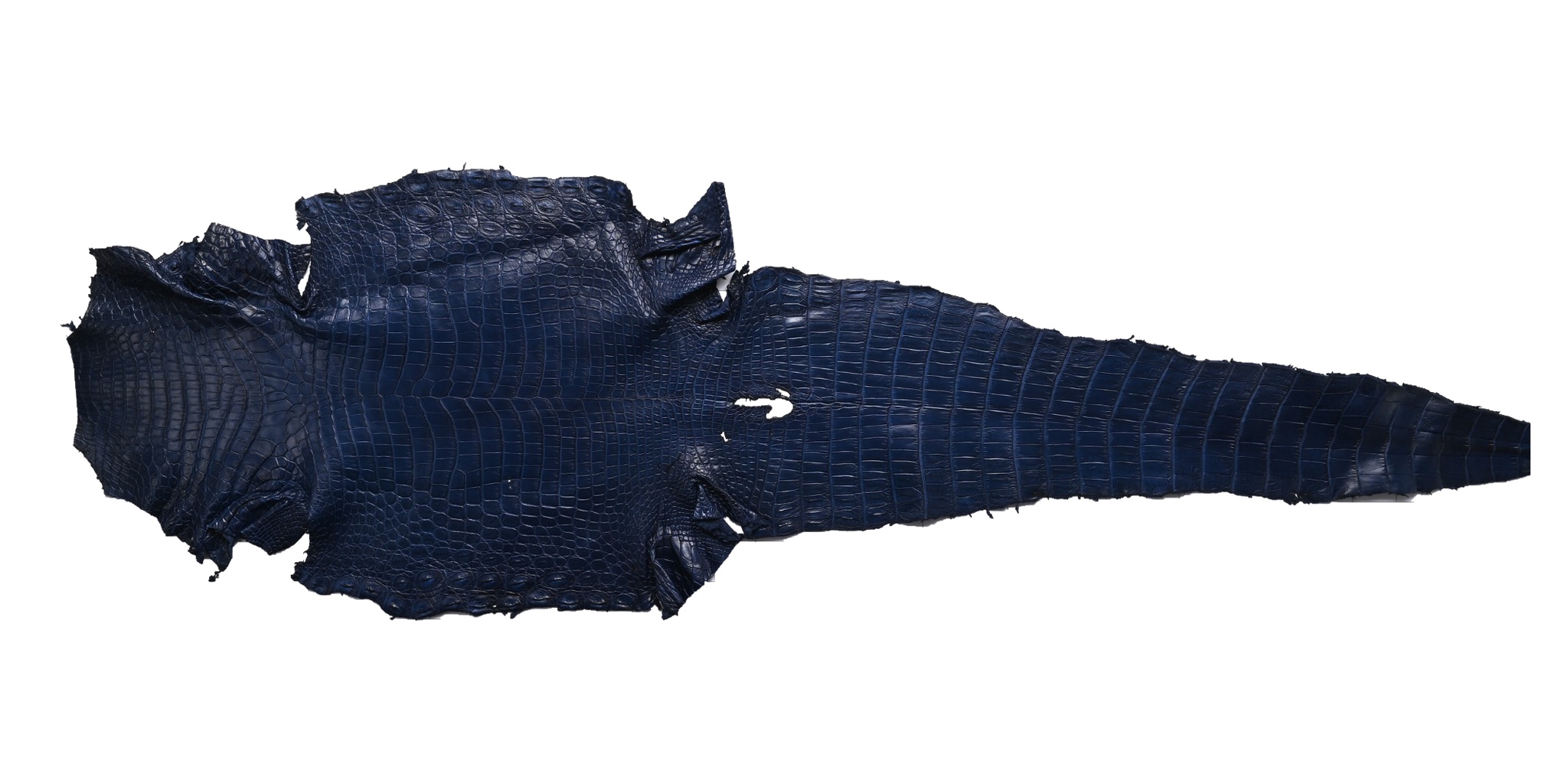
Switch between black, dark brown, cognac and navy. Each is a separate skin with its own scale field. Their codes identify the material photographs; choose finished pieces by their own product photographs.

A full black crocodile skin photographed flat
Black · skin SER0000018
A full dark brown crocodile skin photographed flat
Dark brown · skin SER0000023
A full cognac crocodile skin photographed flat
Cognac · skin SER0000031
A full navy crocodile skin photographed flat
Navy · skin SER0000201

Showing skin 3 of 4: Cognac

EXPLORE THE SUBJECTThe Skin

Next in this story: see the workshop checks.

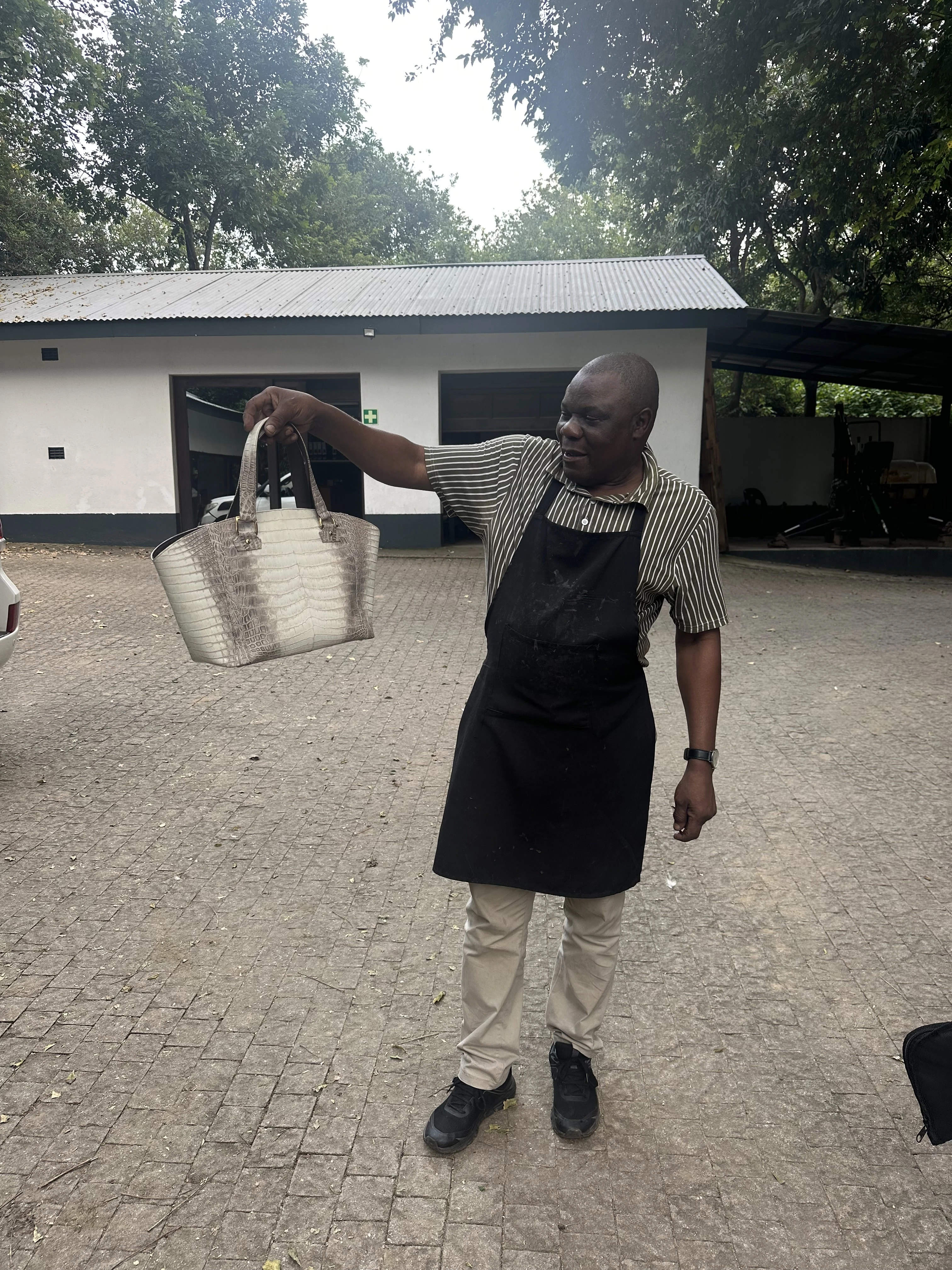
A maker in an apron holds up a finished crocodile leather handbag outdoors

A finished bag in the maker’s hands.

03 · Cut and checked

Cut with steel dies. Checked three times.

Steel dies give the panels a consistent shape. Judgment still decides where the scales sit. The work is checked at three points: material, construction and finished form.

  1. 1Skin before cutting
  2. 2Panels and stitching
  3. 3Finished piece
EXPLORE THE SUBJECTProduction

Next in this story: meet the atelier.

05 · One piece, followed

How one piece is followed

A piece needs more than a beautiful photograph. Follow the records that would connect a tagged skin, workshop work, a finished unit and its movement documents. The pictured case illustrates the route; its full record is not shown here.

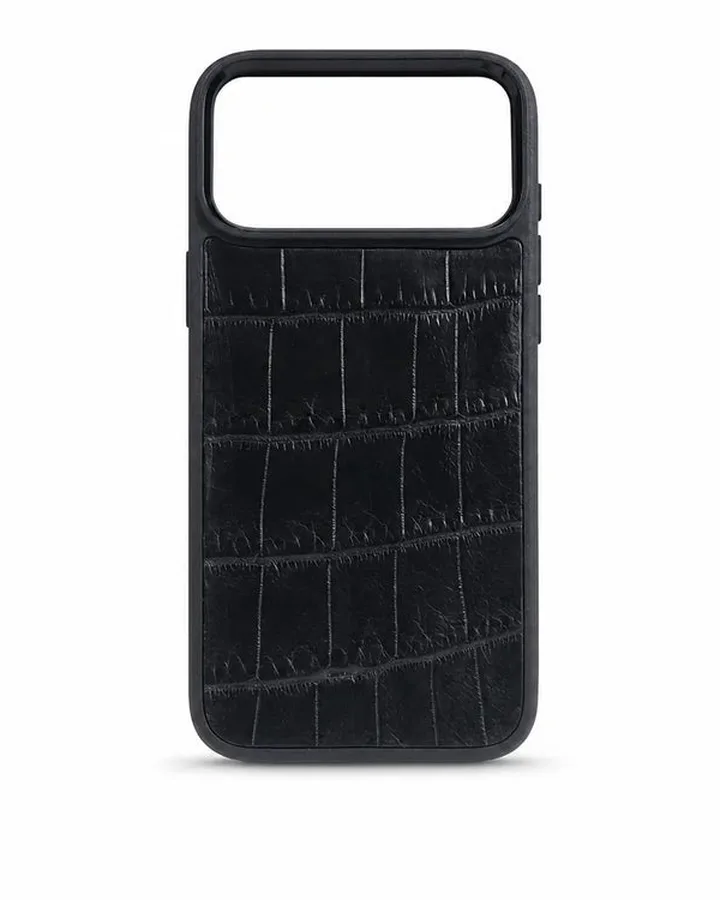
Grey crocodile leather iPhone Pro case, unit PRD-127160 How the record works
PRD-127160 Grey · iPhone Pro case Example case · full record not shown
  1. The tag is the material’s starting reference. Its number should travel with the skin.

    Link in the chain
    Material tag reference
  2. The tanning stage needs a reference that can be matched to the original tag.

    Link in the chain
    Tannery batch reference
  3. The workshop record should connect the tagged skin to the cut panels and the assembled unit.

    Link in the chain
    Piece code PRD-127160
  4. The checks on material, construction and finished form belong with this unit.

    Link in the chain
    Inspection record for this exact piece
  5. A photograph of the exact unit lets a buyer see the pattern they are choosing.

    Link in the chain
    Individual photograph linked to PRD-127160
  6. Applicable movement documents need to be linked to the unit record.

    Link in the chain
    Applicable document reference
  7. Stock information belongs beside the exact photographed piece.

    Link in the chain
    Confirmed availability for this exact unit

Why every pattern exists once

Next: browse the collection.

Next

Now see the pieces

Choose a form that fits your day. Then look at the exact photographed pattern.

Check the model, fit and material beside the individual photograph before you choose.

See the pieces