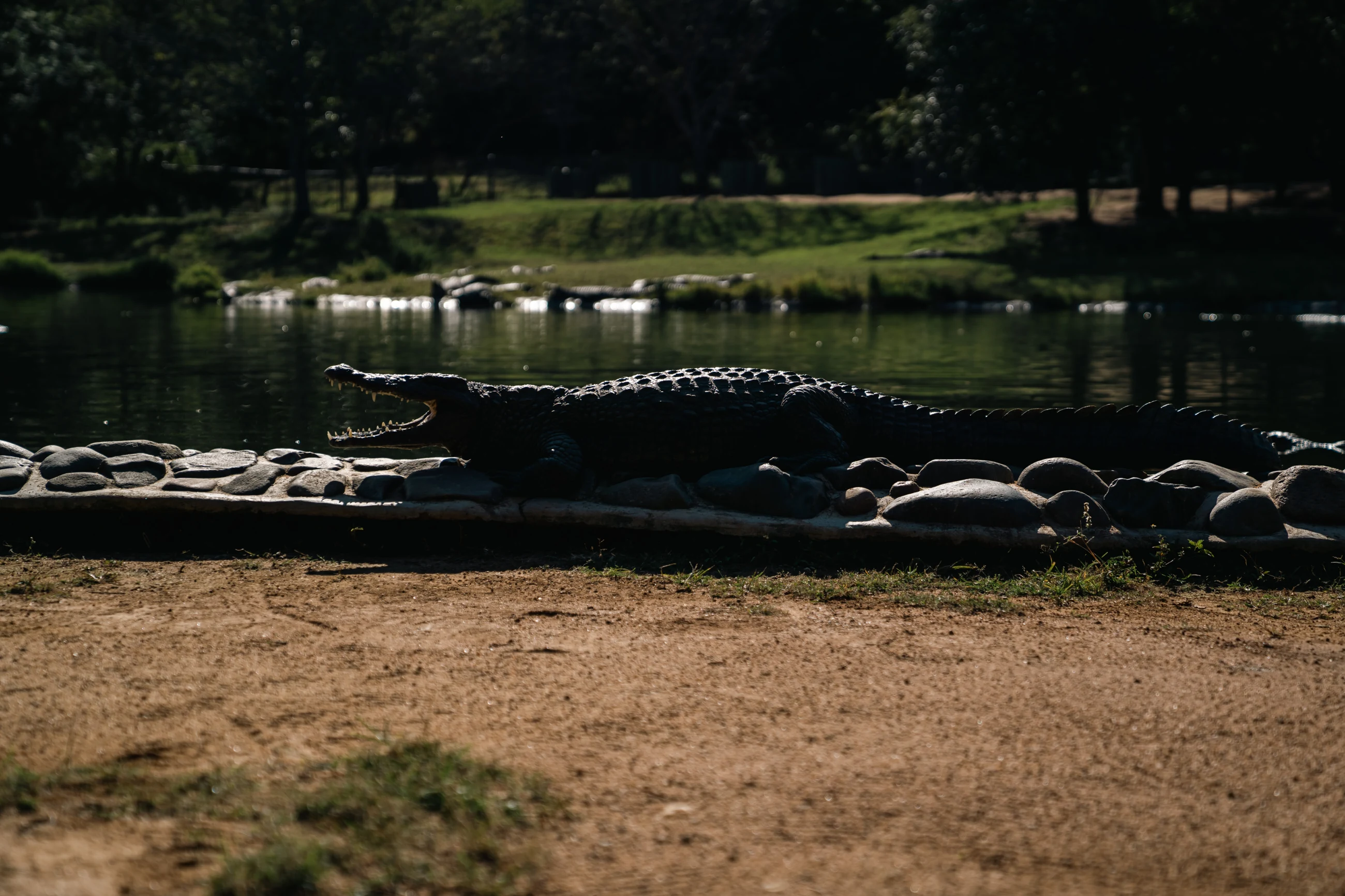
Crocodiles at the edge of a farm pool

The Craft · 03

Care is a series of decisions.

The way a farm works is written in its daily choices: how much room a nest has, whether smaller animals can feed, what the water needs, and who notices when something changes.

Examine the decisions

01 · Field notes

Four choices that shape the day.

Look at four parts of the farm through the work done there: breeding, growing, water care and the people who keep it all moving.

01 / 04 Breeding

A nest needs its own space.
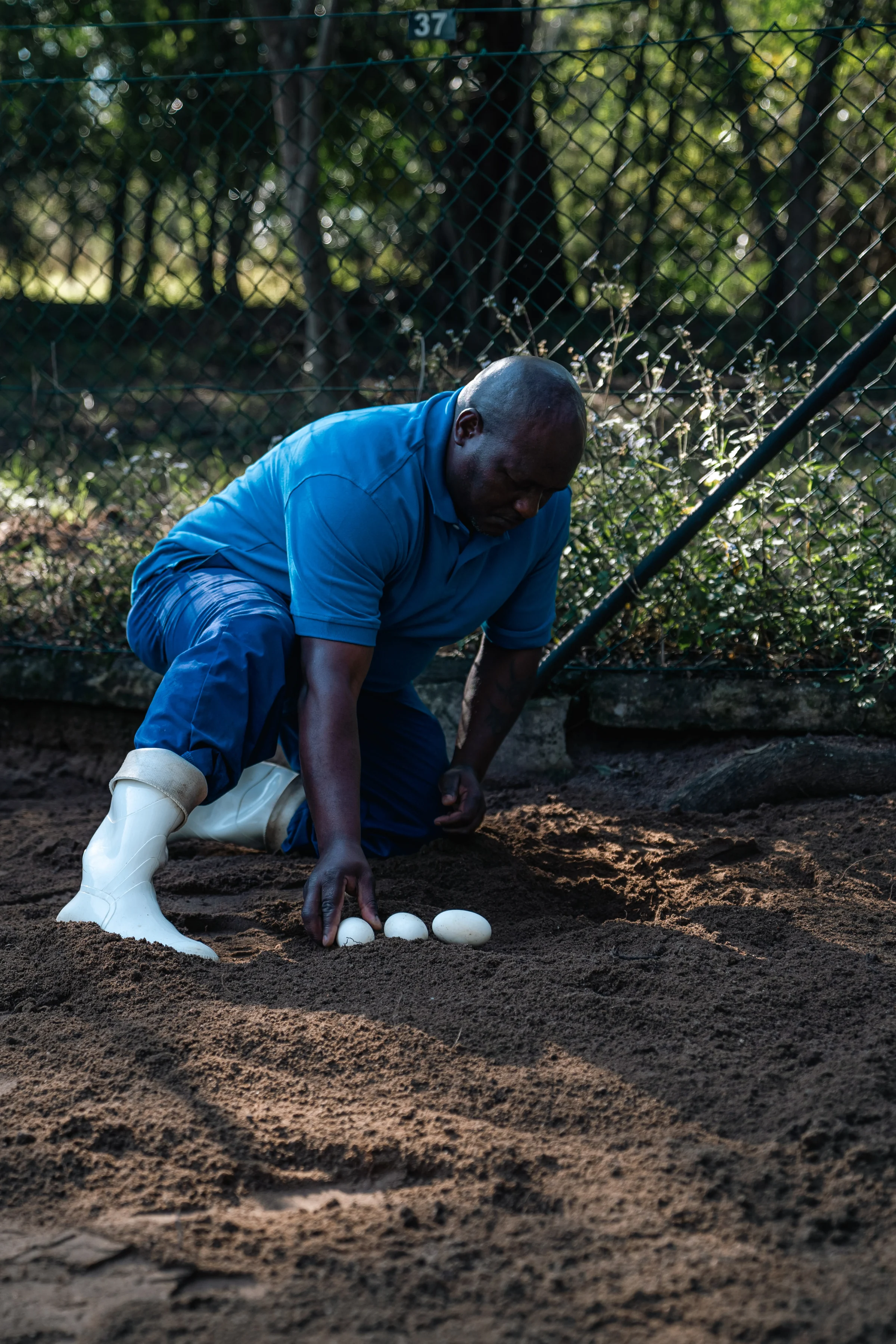
Eggs in sand with a person close by
Eggs in sand, with a person nearby.
In the frame

Eggs in sand, with a person nearby.

The choice

Seronera describes giving breeding females space around nests and using nesting poles in its breeder areas.

Ask the team

How are nesting areas arranged through a season?
Follow the egg

02 / 04 Growing

Size changes the conditions.

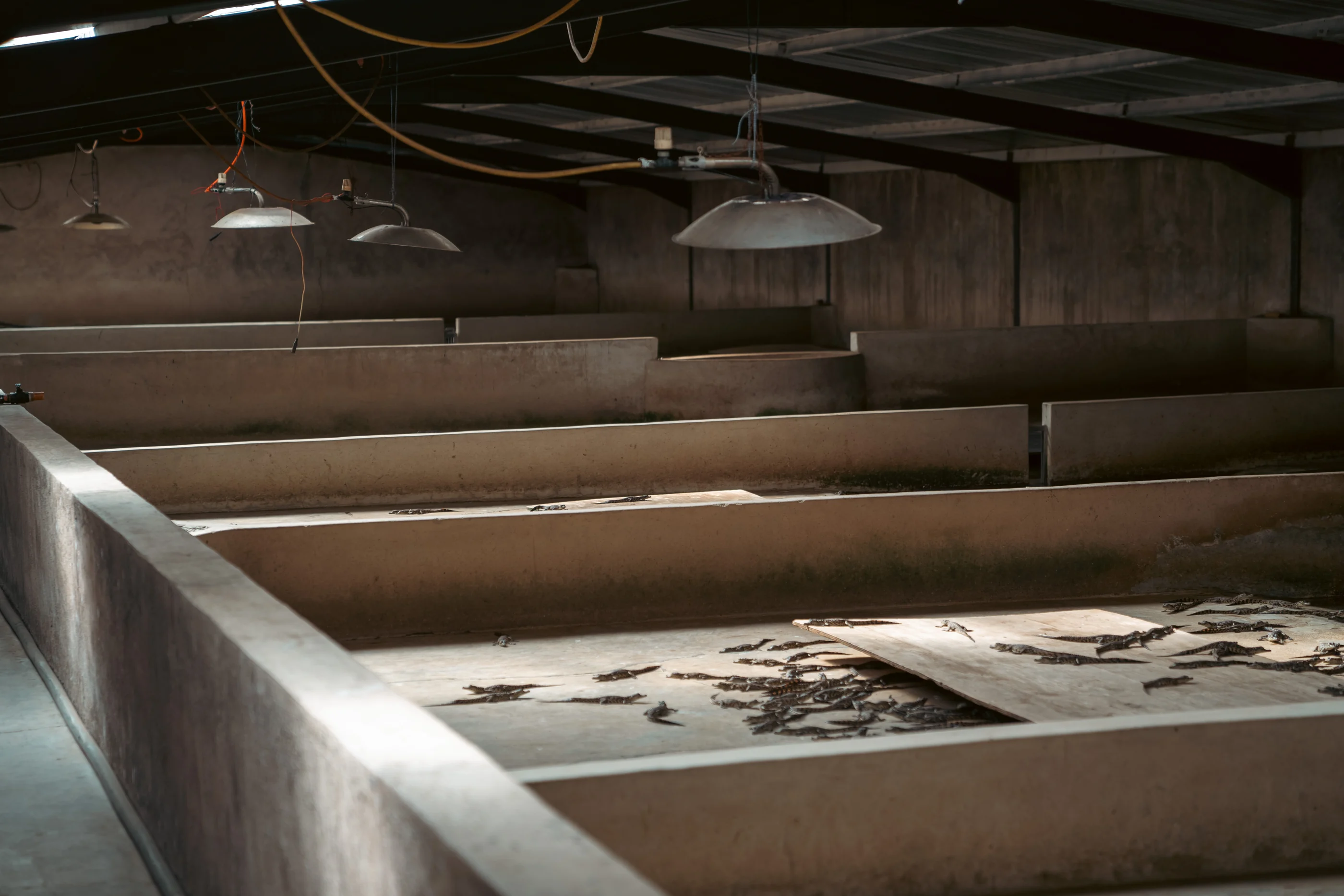
Young crocodiles together in an enclosure
Young crocodiles together in an enclosure.
In the frame

A group of young crocodiles.

The choice

The farm describes grouping growing animals by size so a smaller animal does not compete with a much larger one at feeding time.

Ask the team

When does the team decide to regroup growing animals?

See the life stages

03 / 04 Habitat

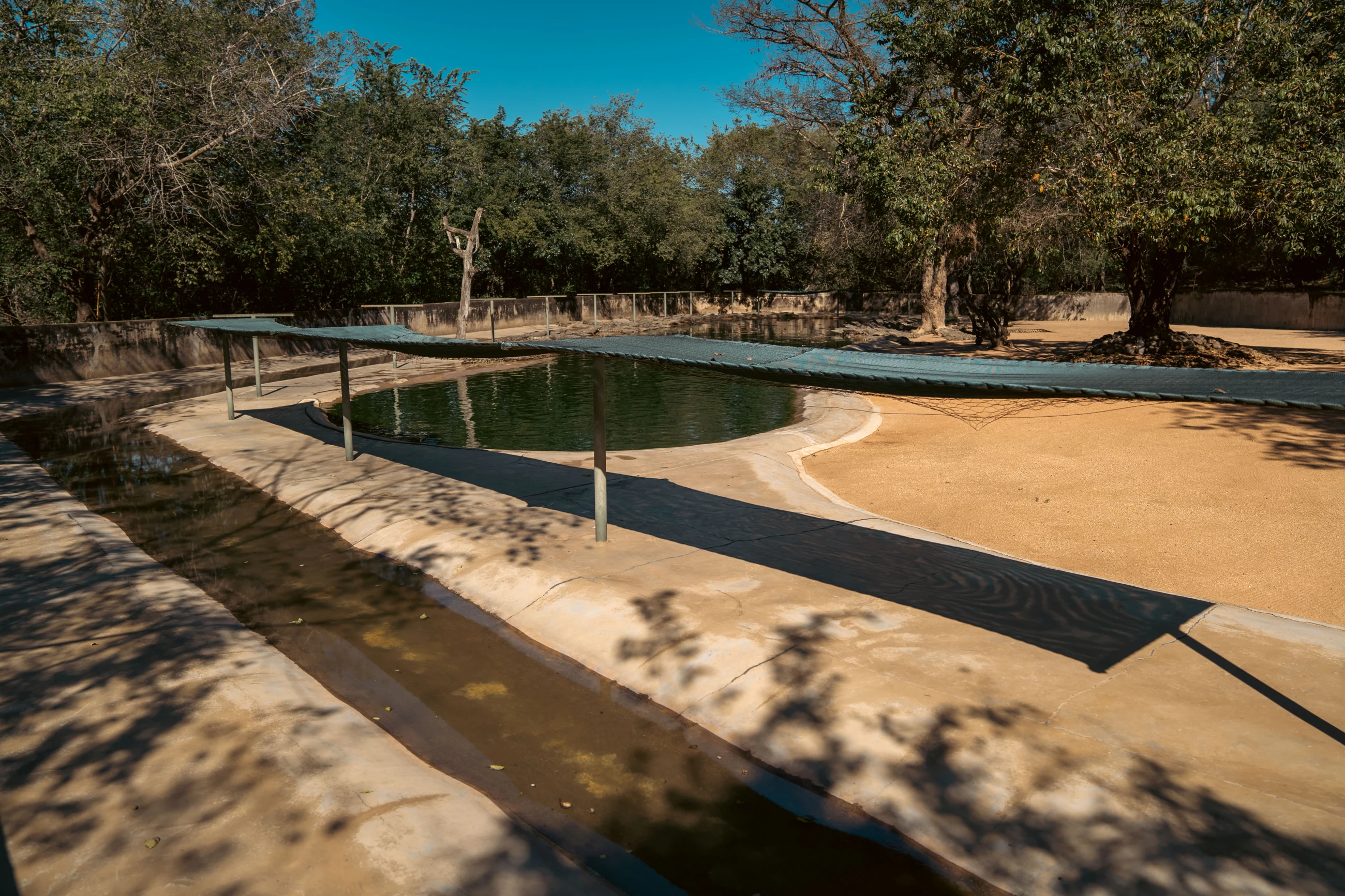
Water needs repeated attention.

Water and a shaded structure in an outdoor enclosure
Water and shade in an outdoor enclosure on the day photographed.
In the frame

A pool and a shaded structure in one outdoor enclosure.

The choice

Water is tested, dams are cleaned and some are rested. The work starts again the next day.

Ask the team

How often is each dam tested, cleaned and rested?

Explore the farm

04 / 04 People

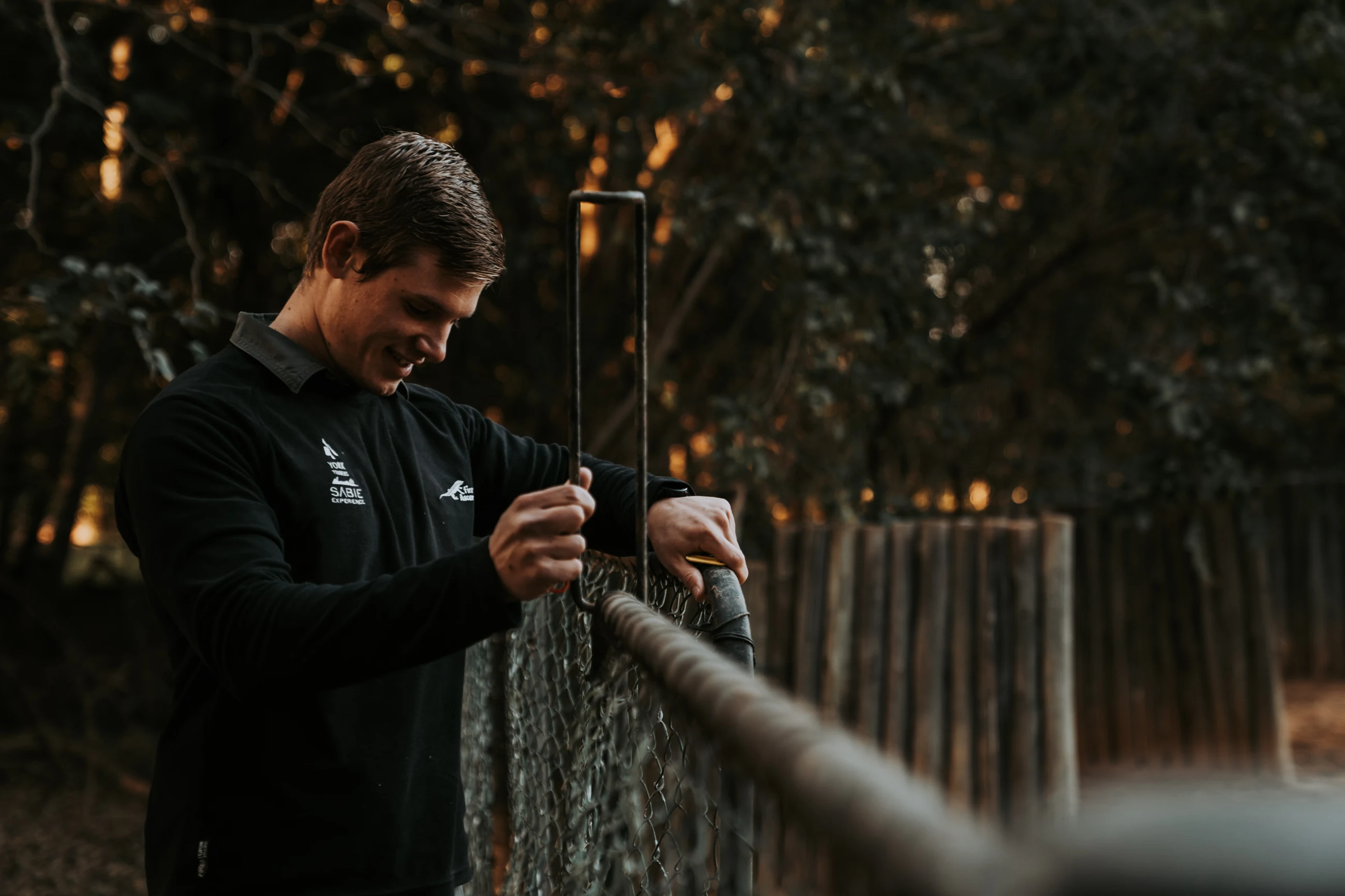
Someone has to keep looking.

A person beside a fenced outdoor enclosure
A person beside a fenced enclosure.
In the frame

A person standing beside a fenced enclosure.

The choice

Animal care depends on people observing, feeding and maintaining the spaces. The farm describes safety procedures as part of that work.

Ask the team

What does a day of observation and maintenance involve?

Ask about a visit

02 · The question behind the surface

A mark has more than one story.

A mark has a shape. Behind the skin lies water to maintain, animals to group and people watching what changes.

Hold both in view: the individual surface and the choices made before it became leather.

Inspect the surface

03 · After the farm

Follow the thread beyond the farm.

In the workshop, a Seronera tag helps identify a tanned skin. Making, the finished photograph and applicable movement documents add later parts of the story.

Ask a specific question

Next · 04 of 07

Now look at the skin.

Now go close to the scales. Four skins show how much can change across one surface.

Study the skin Or ask about a visit